

The 2026 midterm elections could reshape US-Nigeria relations, affecting security cooperation, healthcare aid, and immigration policies under the Trump administration.
Millions of American voters are heading to the polls for the 2026 midterm elections, a critical event that will determine the composition of the United States Congress for the remainder of President Donald Trump’s four-year tenure. Although the President is not on the ballot, the control of the legislative branch is at stake, with approximately 210 million registered eligible voters poised to decide all 435 seats in the House of Representatives and 35 of the Senate’s 100 seats. The outcome extends beyond domestic politics, as it holds significant implications for international relations, particularly with Nigeria, a key partner in security, trade, and development.
Congress Control Shapes Policy Direction
The central question of this election is whether Republicans will retain their current majorities or if Democrats can seize control of either chamber. Currently, Republicans hold a narrow lead in the House with 218 seats against 214 for the Democrats, while an independent member caucuses with the Republican side, leaving two seats vacant. To gain control of the House, Democrats need to secure three additional seats, while they must gain four seats in the Senate to flip the upper chamber. A shift in power would fundamentally alter the political landscape, potentially blocking legislation and launching investigations into the Trump administration.
Also read
CAF Women’s Awards 2026 Shortlist Omits Nigeria from Player of the Year
For Nigeria, the balance of power in Washington directly influences the trajectory of American foreign policy. The Congress exercises oversight over the executive branch and controls federal spending, meaning that a change in leadership could complicate President Trump’s ability to advance his legislative agenda. Congressional decisions on international assistance, security partnerships, and diplomatic engagement with African nations will likely reflect the priorities of the new majority. This dynamic makes the election a pivotal moment for determining how the United States engages with countries facing complex security challenges.
Security Cooperation and Foreign Aid Risks
Nigeria and the United States maintain robust security cooperation that covers counterterrorism efforts, intelligence sharing, military training, and regional stability initiatives. However, Washington’s approach has also included scrutiny regarding religious freedom, human rights, and Nigeria’s response to internal insecurity. If Democrats gain control of Congress, lawmakers may intensify their examination of the administration’s foreign policy decisions, including the conditions attached to military assistance and security partnerships. This increased oversight could lead to stricter requirements or shifts in funding priorities for joint security operations.
Beyond security, foreign assistance and development funding in healthcare represent another critical area of impact. Historically, the United States has supported numerous public health and development programs in Nigeria, focusing on HIV/AIDS prevention, malaria control, maternal healthcare, and humanitarian assistance. The Trump administration’s recent changes to American foreign assistance have raised concerns about the continuity of these programs across several countries. Since Congress plays a vital role in approving federal spending and setting funding priorities, a change in its composition could significantly influence future debates regarding development aid.
Decisions made in Washington will have direct implications for access to healthcare services and other development interventions in Nigeria. Communities and organizations that benefit from US-backed initiatives may face uncertainty depending on which party controls the purse strings. The potential reduction or redirection of funds could affect long-term health outcomes and economic development goals. Nigerian stakeholders are closely monitoring these developments, recognizing that congressional action in the United States can shape the availability and scope of essential support services.
Immigration Policies Affect Nigerian Nationals
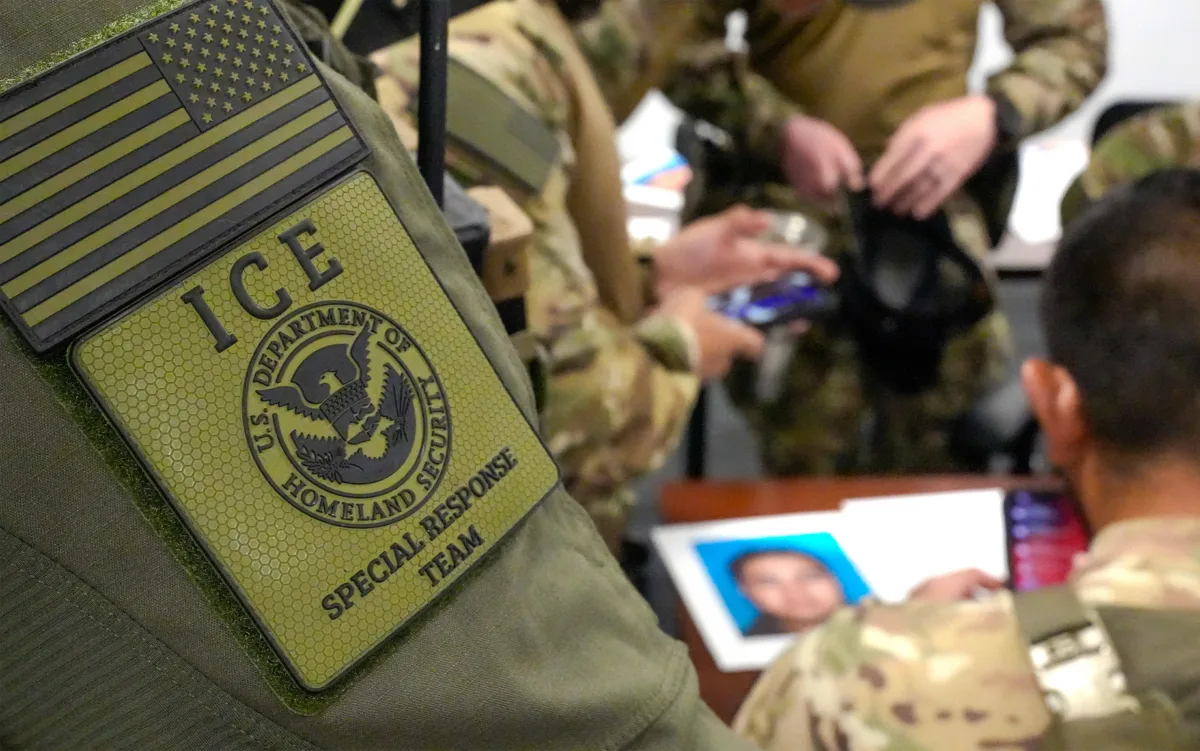
Immigration remains a major issue for Nigerians to watch as Americans vote, given the Trump administration’s focus on border security and enforcement measures. These policies have affected foreign nationals seeking to enter or remain in the country, impacting those traveling for education, employment, business, and family reunification. A change in congressional control could reshape the debate surrounding immigration restrictions, visa policies, and the treatment of foreign nationals. Lawmakers may introduce new bills or amendments that further tighten entry requirements or alter existing visa categories.
The intersection of domestic immigration policy and international relations creates a complex environment for Nigerian citizens residing in or wishing to travel to the United States. Congressional oversight can lead to hearings and reports that highlight specific challenges faced by certain nationalities. This scrutiny may result in procedural changes or administrative adjustments that affect visa processing times and approval rates. For the Nigerian community, staying informed about these political developments is essential for navigating the evolving regulatory landscape.
Advertisement
US MidtermsNigeriaDonald TrumpCongressForeign AidImmigration
Get an alert when there is news on Politics