




Trump’s Midterm Loss: What a Democratic Takeover of Congress Means for the Dow Jones, Nasdaq and S&P 500
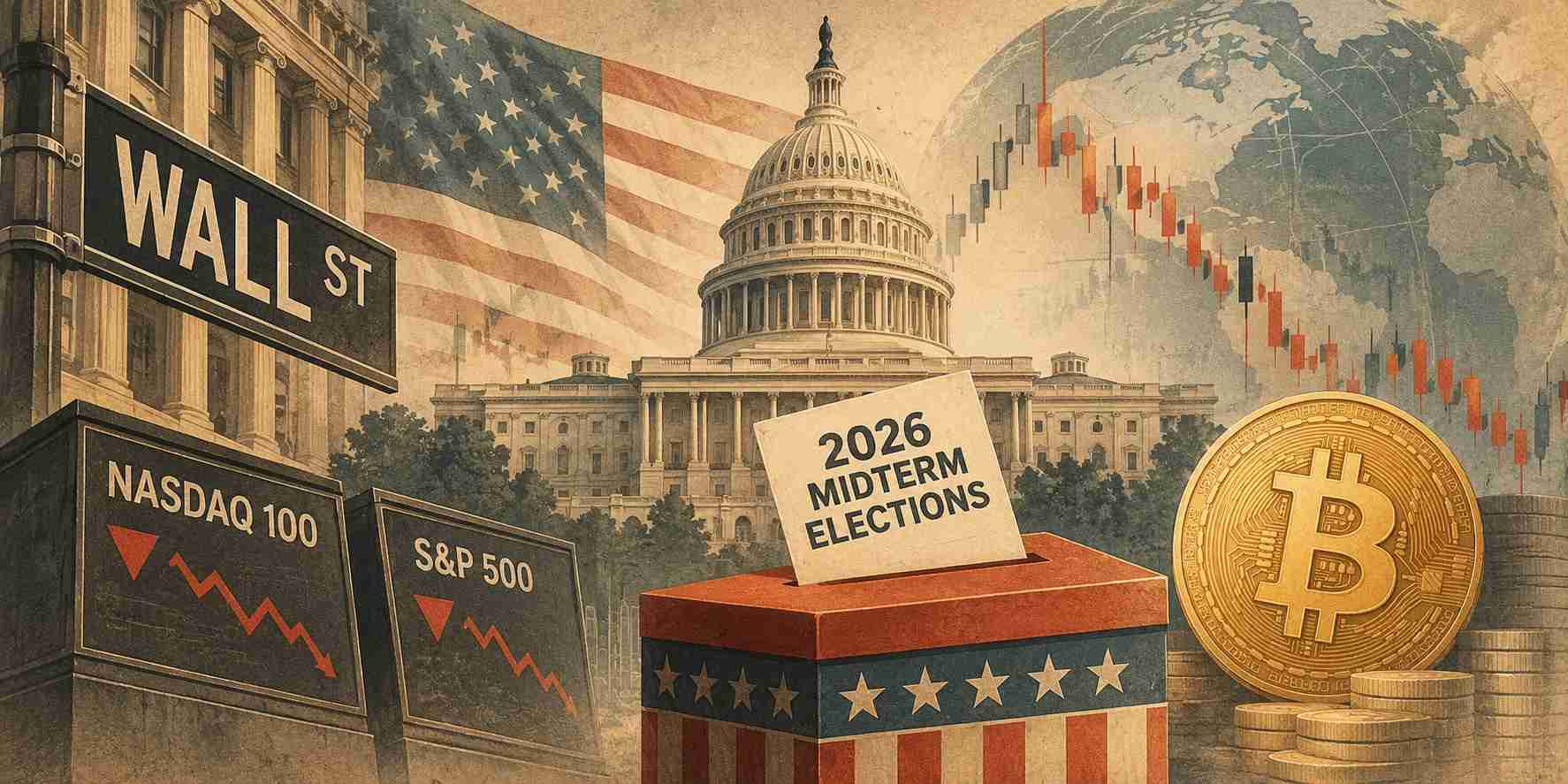
As the results of the 2026 US midterm elections unfold, a potential Democratic takeover of Congress introduces a profound political shift that is rippling across Wall Street. Financial markets are actively evaluating how a divided government and legislative gridlock under US President Donald Trump will impact major indices, including the Dow Jones Industrial Average, the tech-heavy Nasdaq Composite, and the benchmark S&P 500.
Published byZaini Majeed
Last updatedNovember 4, 2026 14:34:13 IST
The culmination of the 2026 US midterm elections has ushered in a tense political landscape, with early results pointing toward a potential Democratic takeover of Congress. For US President Donald Trump and his administration, a legislative shift on Capitol Hill establishes a formidable roadblock, effectively transitioning Washington into a period of split government.
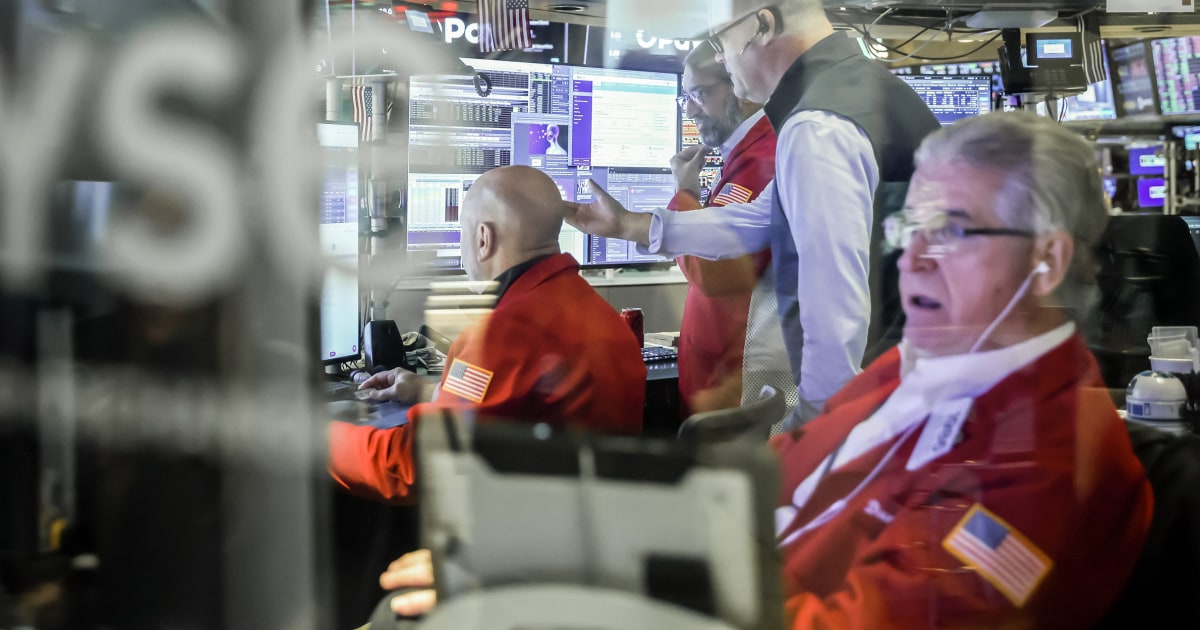
Wall Street investors have closely monitored the ballot tallies, weighing how gridlock, altered fiscal priorities, and potential policy stalemates will shape the trajectory of major market barometers: the Dow Jones Industrial Average, the Nasdaq Composite, and the S&P 500. While historical market data indicates that equities frequently rally following midterm elections as political uncertainty clears, the prospect of a Democratic-led House or Senate introduces distinct sector-specific challenges and opportunities.
Trump’s Midterm Loss: How Does A Divided Government Historically Impact Major Indices?
Financial history reveals that equity markets have traditionally responded favourably to political gridlock, often treating a divided government as a safeguard against sweeping, disruptive legislative changes.
According to analysis from major financial institutions like J.P. Morgan and Morgan Stanley, the S&P 500 has historically posted positive returns in the twelve months following past midterm elections, regardless of which party gains control of Congress.
Under a divided government where a Republican executive faces a Democratic legislative branch, major policy overhauls become nearly impossible to enact without bipartisan consensus.
For broad indices like the S&P 500 and the Dow Jones, this structural stalemate eliminates the risk of radical fiscal restructuring, providing a predictable environment that institutional investors often find reassuring.
Trump’s Midterm Loss:What Are Implications For Tech Stocks And Nasdaq?
The technology-heavy Nasdaq Composite faces a nuanced landscape under a congressional shift, particularly regarding regulatory oversight, artificial intelligence policy, and international trade. A Democratic-led Congress is expected to ramp up scrutiny on major technology conglomerates, focusing heavily on antitrust enforcement, data privacy laws, and the burgeoning infrastructure surrounding artificial intelligence and data centres.
However, macro factors such as Federal Reserve interest rate decisions and corporate earnings reports traditionally outweigh short-term legislative shifts for tech giants like Nvidia, Microsoft, and Apple. Consequently, while regulatory headwinds could create bouts of volatility for high-growth tech equities, the structural demand for technological innovation is expected to sustain the Nasdaq’s long-term momentum.
Trump’s Midterm Loss:How Will Fiscal Policy And Sector Rotations Affect Dow Jones?
The Dow Jones Industrial Average, which heavily weights traditional industrial, financial, energy, and consumer goods corporations, could experience distinct sector rotations in response to a changing legislative power balance.
Under a Trump administration paired with a Democratic Congress, prospects for aggressive corporate tax cuts or sweeping deregulation dim significantly, which may temper immediate enthusiasm for cyclical and heavy-industry stocks. Conversely, areas prioritising green energy initiatives, infrastructure modernisation, and healthcare spending could find renewed legislative support or at least a stronger defensive posture against budget rollbacks.
Market strategists note that investors are already reallocating portfolios to hedge against potential fiscal stalemates, balancing defensive staples against growth-oriented assets as the final congressional margins are confirmed.
Published byZaini Majeed
Last updatedNovember 4, 2026 14:34:13 IST
Tags:US Midterms 2026world news
November 4, 2026 2:34 pm