

Travelers no longer book a hotel just to sleep in it. Increasingly, they book it to eat. And across the Caribbean and Latin America, Marriott International is leaning hard into that shift — turning its hotel restaurants into culinary destinations that pull in locals and food lovers, not just overnight guests.
The proof is in the hardware. At the 2026 edition of the World Culinary Awards, several restaurants inside Marriott hotels across the region were recognized for the quality and originality of their dining experiences. For operators watching the hospitality space, it’s a clear signal: gastronomy has become a core differentiator, not an amenity afterthought.
Why Hotel Dining Is Having a Moment
Food has quietly become one of the most authentic ways people explore a destination. Local ingredients, seasonal menus, and chef-driven concepts let guests connect with a place’s culture and traditions in a single sitting.
That’s why hotel restaurants — once an afterthought — are now being built as standalone draws. Marriott’s regional lineup leans on renowned chefs, locallyh destination. Here’s where foodies should be paying attention
Costa Rica: Interactive, Pacific-Coast Gastronomy
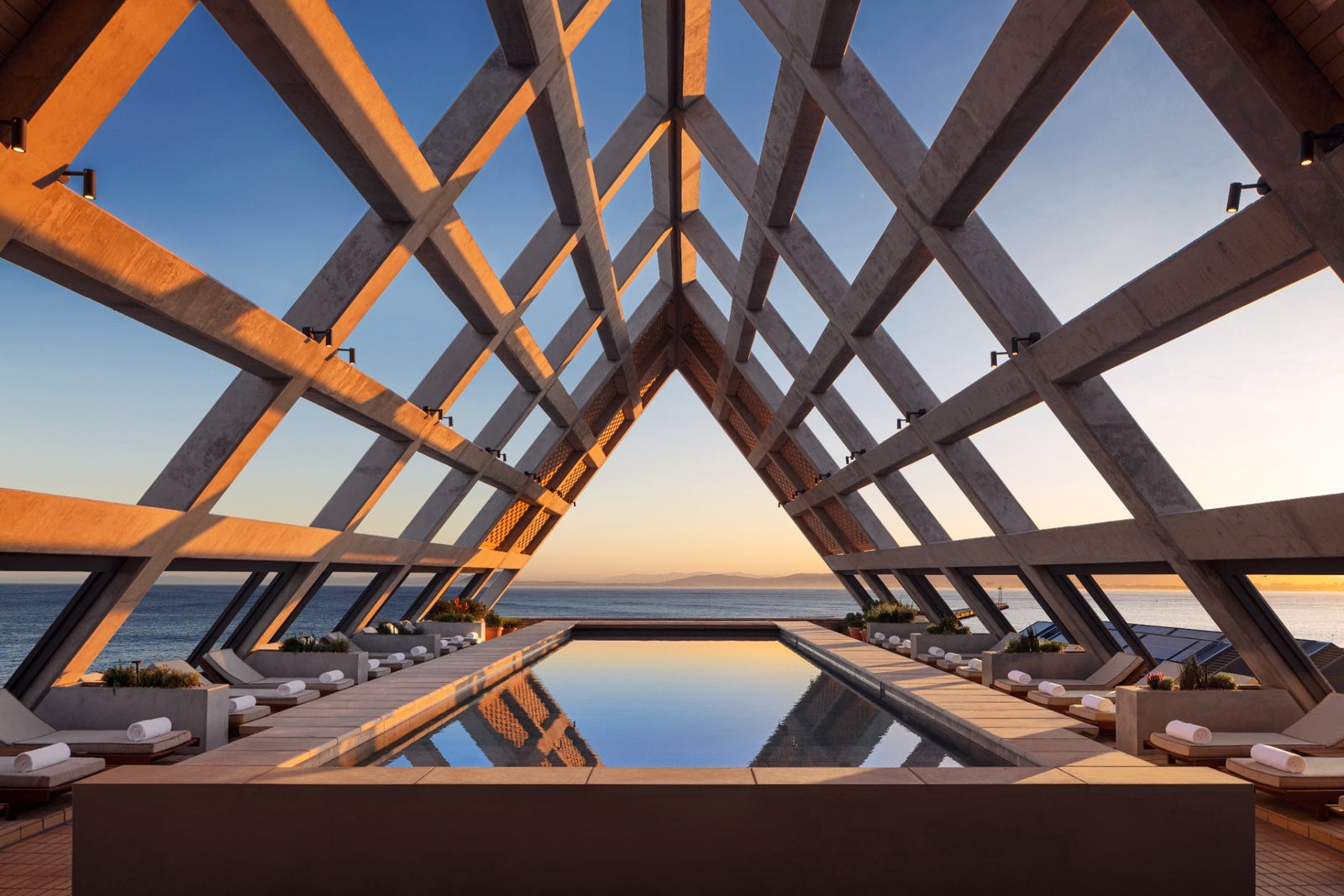
At W Costa Rica Reserva Conchal, Latitud 10° Norte celebrates the culinary richness of Costa Rica’s Pacific coast. The menu pairs fresh seafood, tropical fruits, and seasonal vegetables with contemporary techniques, in a setting that’s sophisticated but relaxed, surrounded by the natural beauty of Reserva Conchal.
It’s more than a pretty plate: Latitud 10° Norte was named a winner at the World Culinary Awards 2026, cementing its status as a benchmark for dining in Costa Rica.
For travelers who’d rather get hands-on, the Costa Rica Marriott Hacienda Belén offers cooking classes — including one focused on 100% Costa Rican cuisine. Led by chefs steeped in the roots of Tico cooking, the class walks guests through tortillas and ceviches, so they can taste and cook authentic local fare firsthand.
And at Los Sueños Marriott Ocean & Golf Resort, the newest draw is La Panga Food Truck, a space designed to recreate the street flavors of Latin America. Think tacos al pastor, choripanes, arepas, and traditional sweets — spanning Argentine, Venezuelan, and Mexican tastes, open to guests and patrons alike.
Colombia: Tradition Meets Contemporary Technique
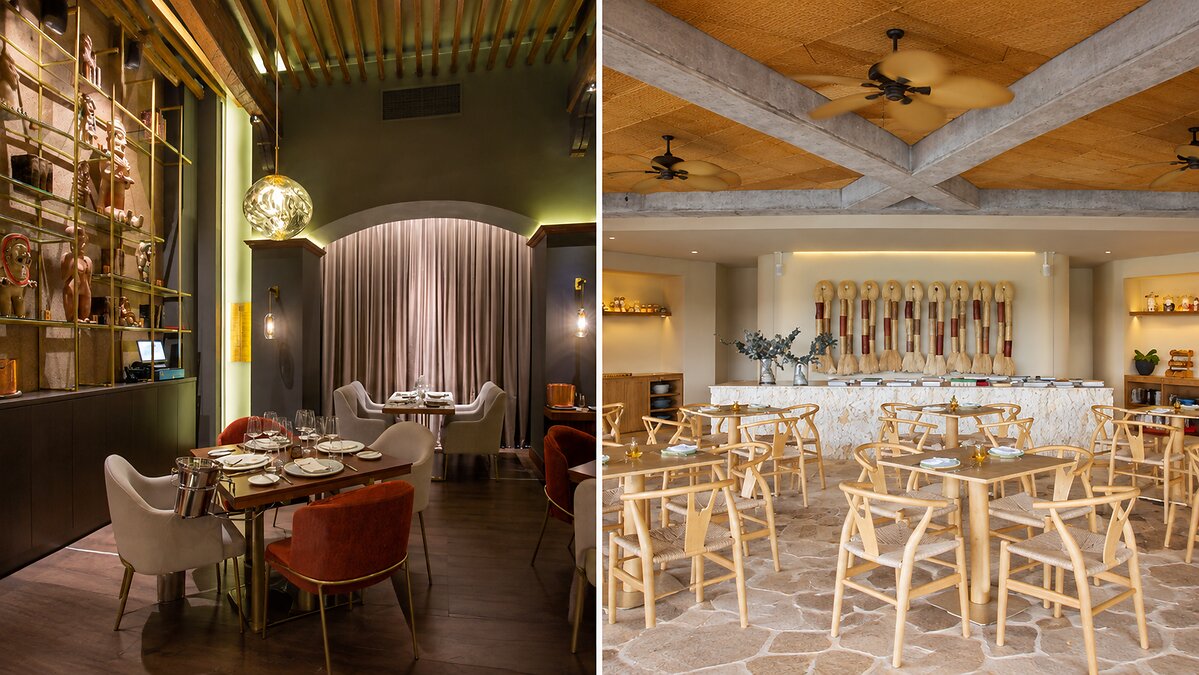
Facing the beaches of Playa Dormida, Cayeye is the signature restaurant of the Santa Marta Marriott Resort Playa Dormida. Its name nods to the iconic Santa Marta dish made with green bananas — a fitting tribute to the Colombian Caribbean’s ingredients and traditions.
The menu pairs fresh fish and seafood, seasonal products, and Caribbean-inspired recipes with modern techniques, all framed by ocean views. It’s become a must-visit for anyone chasing the essence of Santa Marta.
In Guatapé, The Brown, Autograph Collection makes gastronomy a pillar of the stay with two distinct concepts:
- Pismo — a contemporary restaurant that reimagines local ingredients through a modern lens in an elegant yet relaxed setting.
- Praia Beach Club — a waterfront space on the reservoir pairing a vibrant atmosphere with wood-fired cuisine, signature cocktails, and shareable dishes.
Both were conceived as culinary destinations for guests and visitors alike — a smart play for capturing local traffic and repeat spend.
Panama: A Low-ABV Cocktail Ritual with Local Soul
High above the city at the JW Marriott Panama, ALMA delivers an intimate, sophisticated cocktail experience where every drink becomes a ritual. The program starts with carefully selected local ingredients, transformed into balanced, subtle compositions.
Notably, ALMA’s menu leans into one of the fastest-growing trends in beverage: low-ABV signature cocktails, reimagined classics, light spritzes, and an alcohol-free Zero collection. It’s a reminder that the mindful-drinking movement has firmly reached the luxury hotel bar.
Why It Matters
For hospitality operators and foodservice executives, Marriott’s regional strategy is a case study in turning F&B from a cost center into a destination driver. A few takeaways worth acting on:
- Chef-led, locally sourced concepts earn recognition and traffic. A World Culinary Awards win like Latitud 10° Norte’s is marketing that money can’t easily buy — and it starts with a distinct point of view and local ingredients.
- Experiences beat transactions. Cooking classes and food trucks give guests a reason to spend more time (and money) on property, and to tell the story afterward.
- Low-ABV and alcohol-free programs are now table stakes. ALMA’s Zero collection reflects real demand; operators without a credible non-alcoholic menu are leaving revenue and guests on the table.
- Open your restaurants to locals. Concepts built for “guests and visitors alike” diversify revenue beyond occupancy and build year-round community relevance.
Whether you run a boutique hotel, a resort, or a standalone restaurant, the lesson is the same: diners are hungry for authenticity, local flavor, and a sense of place. Build the experience, and they’ll travel for it.
Looking for more on where hotel and restaurant dining is heading? Explore our coverage of menu innovation trends for 2027 and the non-alcoholic and functional beverage opportunity on restaurant menus. Which hotel restaurant has surprised you lately? Tell us in the comments.