
- English News
- Business
- Nasdaq Dow Jones Crash | Trump Blames Democrats; US Stock Market Fallout
- Copy link
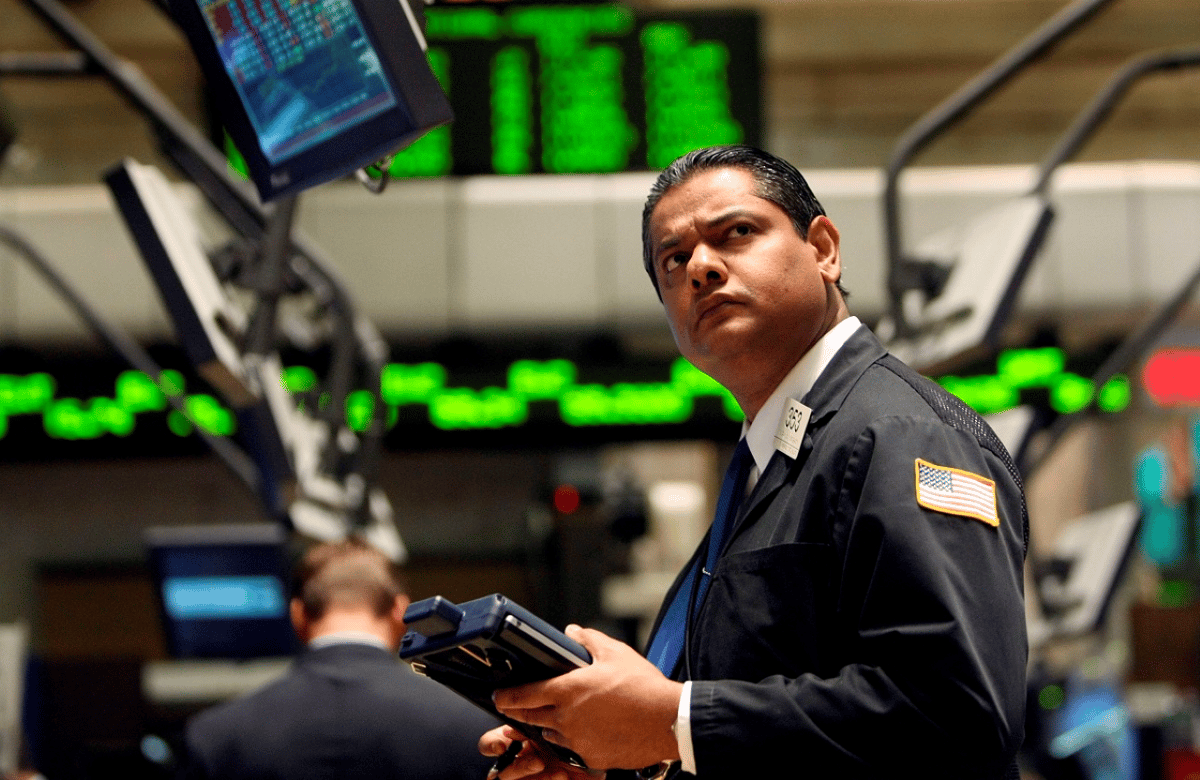
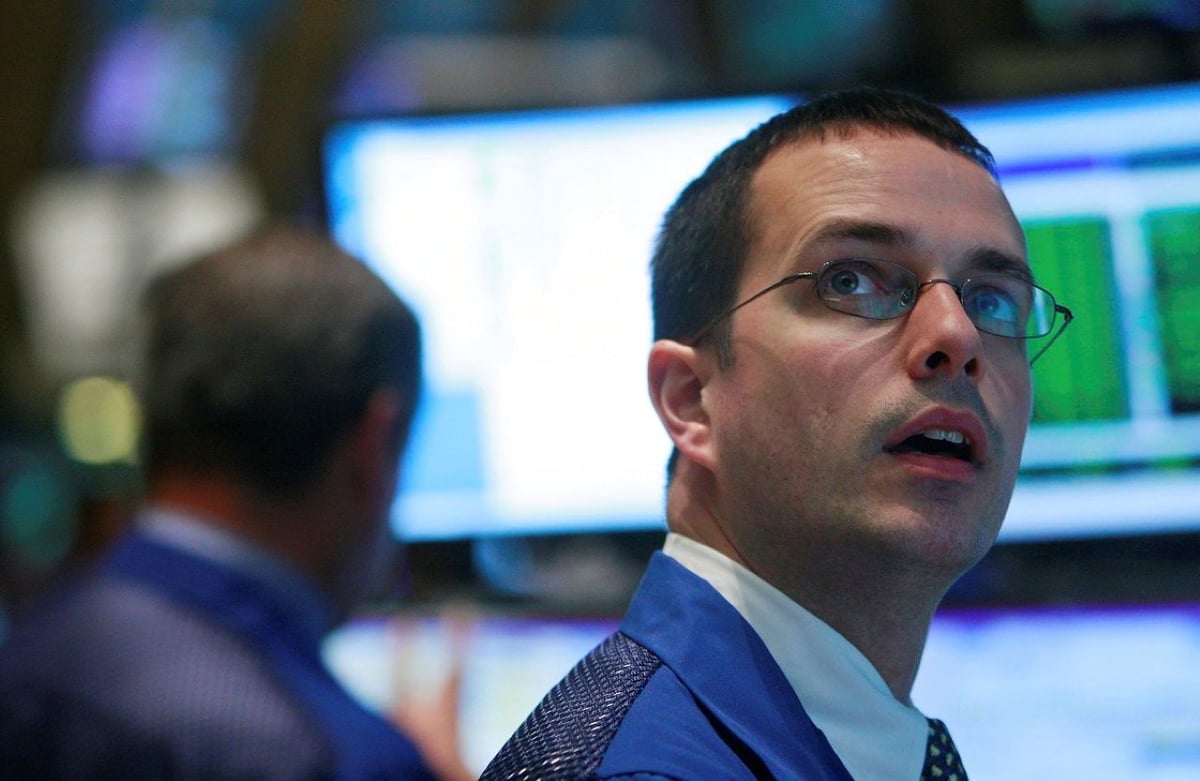
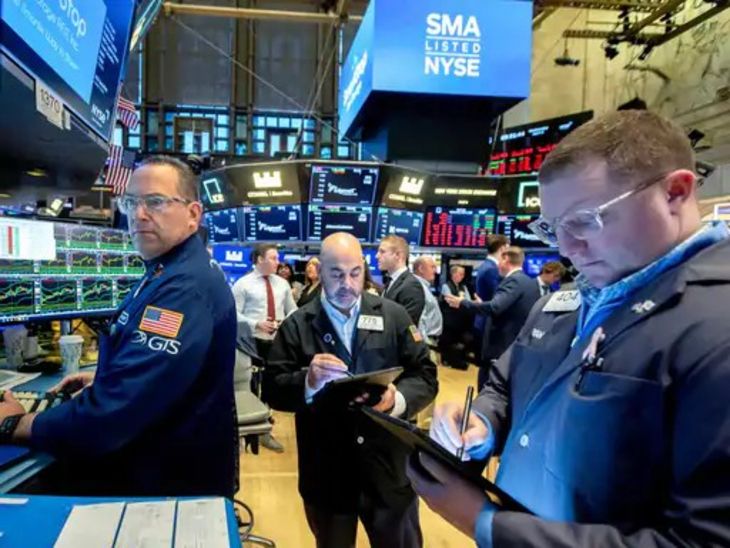
Heavy selling hit the US stock market, or Wall Street, on Thursday. Investors withdrew large amounts of money from technology shares amid concerns over excessive spending on artificial intelligence (AI) and discussions about imposing stricter regulations on the sector.
As a result, $2.5 trillion, or around ₹236 lakh crore, was wiped off the market value in a single day. The Nasdaq index recorded its biggest fall in the past 18 months. Meanwhile, the S&P 500 index posted its biggest one-day decline since April 2025.
The technology-heavy Nasdaq Composite fell 5.5%. In this correction, or decline, Nvidia shares fell nearly 10%. The Nasdaq has also dropped 10% from its recent all-time high, officially entering correction territory. Meanwhile, the Dow Jones fell 3.4% and the S&P 500 index declined 4.3%.
Nvidia, which had been the world’s largest company
Nvidia, which had been the world’s largest company by market capitalisation, saw its shares fall 9.3%, pushing its performance for the year into negative territory. Shares in memory chipmaker SanDisk fell 22%, while hard drive maker Western Digital recorded a steep 17% decline.
Dow Jones plunges 1,833 points
The selling pressure in the market was not limited to technology shares, but affected the broader US market.
The Dow Jones Industrial Average, comprising 30 leading US companies, fell 1,833 points, or 3.4%, to close at 51,868.
The S&P 500 index fell 4.4%
Meanwhile, the S&P 500 index fell 4.4%. The last time the market witnessed such major turmoil was when concerns over US President Donald Trump’s ‘Liberation Day’ tariffs intensified.
All 11 S&P 500 sectors close lower
All 11 industry sectors of the S&P 500 declined, with at least 2% losses recorded in 7 of them. Shares of heavy machinery manufacturer Caterpillar fell 6.4%.
Banking giant JPMorgan Chase fell 4.2%, while UnitedHealth and 3M both declined by more than 3%, further increasing pressure on the Dow Jones.
Wall Street’s Volatility Index (VIX), also known
Wall Street’s Volatility Index (VIX), also known as the market’s ‘fear index’, jumped 61%. This was its highest level since the early weeks of the Iran war, reflecting the negative sentiment in the market.
Trump blames midterm elections and ‘Democrats’
US President Donald Trump blamed the midterm elections and the ‘Democrats’ for the market decline. In a social media post, Trump wrote that the stock market had faced one of the worst days in its history because of the election results.
It is extremely sad to see this. It took us a great deal of hard work to reach a level that no one had seen before, and then this happened. That is why your retirement funds have declined.
Remember, this happened not because of the Republicans
Remember, this happened not because of the Republicans but because of the Democrats. However, do not be afraid; we will soon be bigger and stronger than ever before, one way or another.
In another post, Trump said that the stock market crashed today because the Democrats scored a major victory on Tuesday. He said, “It is very sad to see this, and you are responsible for it yourselves.”
The Democrats recently won the 2026 midterm elections and secured control of Congress, the US Parliament, for the remainder of Trump’s term in office.
Growing pressure on the AI sector and discussion over regulations
Investors are reassessing the year’s most popular AI-related
Investors are reassessing the year’s most popular AI-related deals. Following the midterm election results in the US, discussions about stricter regulations and tighter scrutiny of the artificial intelligence industry have intensified. This has raised concerns about the pace of investment in the sector.
At the same time, investors are expecting the pace of data-centre expansion to slow, putting pressure on chip manufacturers and companies supplying equipment and infrastructure to the industry.
Shift towards safer investments, US Treasury yields fall
The sharp fall in the stock market prompted investors to turn to assets considered safe, driving up demand for US government bonds.
As demand increased, the yield (interest rate)
As demand increased, the yield (interest rate) on the benchmark 10-year Treasury note fell to its lowest level since 9 September.
Asian markets also suffer heavy losses
The Wall Street sell-off also affected Asian markets on Friday. In early trading, Japan’s Nikkei fell as much as 6%, while South Korea’s KOSPI dropped more than 8%.