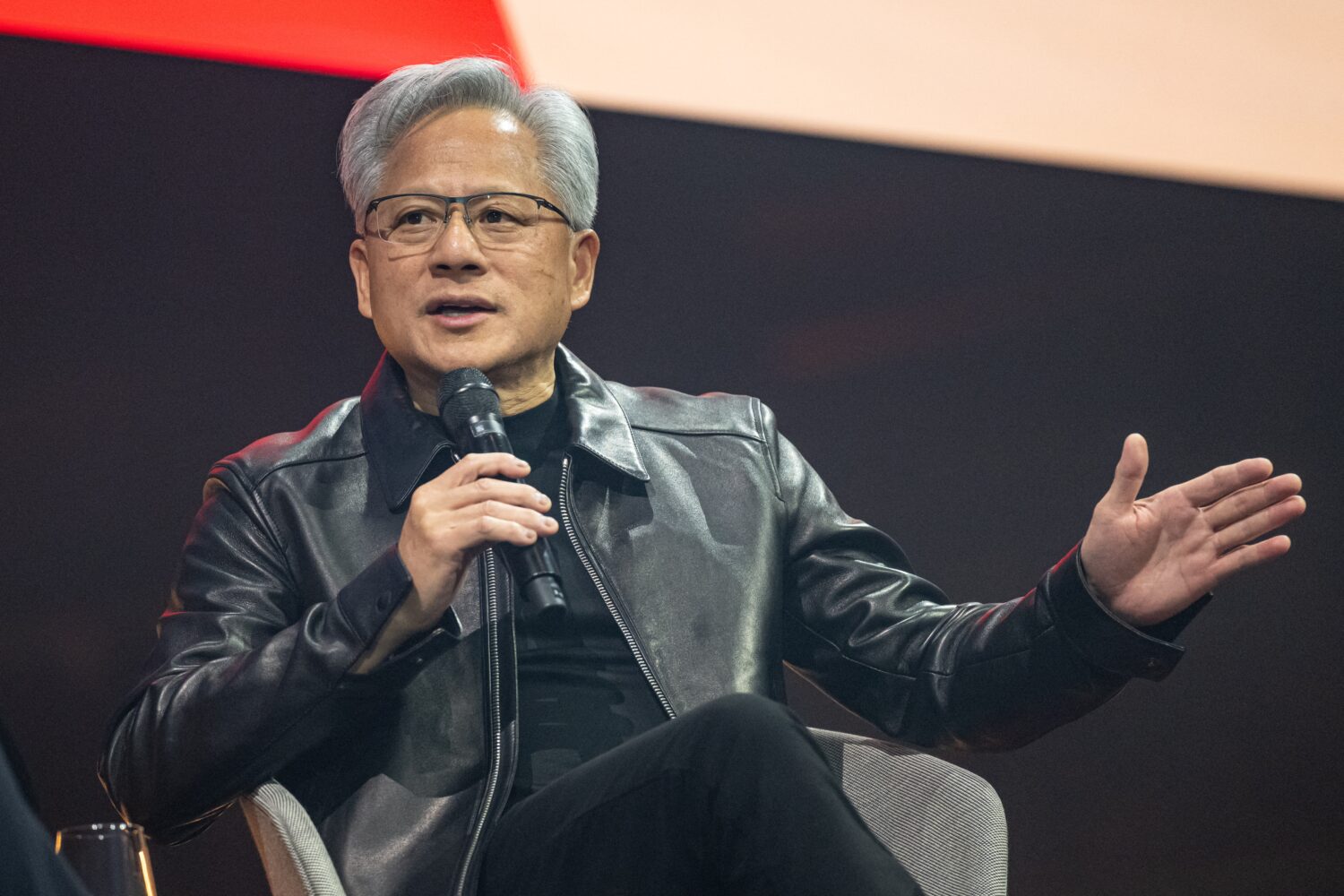


Beijing condemns Washington for using alleged spying claims against Nvidia CEO Jensen Huang as a pretext for a technological blockade ahead of Trump-Xi talks.
Beijing has formally accused the United States of leveraging fabricated espionage allegations to justify a broader technological containment strategy against Chinese advancement. This diplomatic rebuke was issued by Foreign Ministry spokeswoman Mao Ning on Thursday during a regular press briefing, where she characterized the American actions as an illegitimate pretext for imposing a technological blockade. The statement serves as a direct response to recent assertions that Nvidia chief executive Jensen Huang was the target of a Chinese intelligence operation.
Espionage Allegations Target Nvidia Leadership
Chinese authorities have strongly rejected the narrative surrounding Nvidia co-founder Jensen Huang, dismissing the claims as groundless speculation designed to smear China’s reputation. According to reports, Huang admitted to an extramarital affair with Alice Huang, who is believed to be a former executive at the Singapore-based firm Megaspeed. US officials have alleged that she acted as an agent for Chinese intelligence, a claim that Beijing has categorically denied. Foreign Ministry spokesperson Mao Ning emphasized that China’s technological progress is fueled by independent innovation and open international cooperation, urging the US side to cease fabricating spy narratives.
Also read
AFCON 2027 Qualifier: Somalia Accuses Ghana Of Intimidation After Security Disrupts Training Session
Strategic Chip Exports And Political Tensions
The diplomatic friction occurs against the backdrop of complex negotiations regarding high-performance semiconductor exports. President Donald Trump previously authorized the export of Nvidia’s H200 chips to China, a decision that faced significant opposition from political hawks in both major US parties. These legislators expressed deep concerns that such technology would accelerate Beijing’s race to dominate the artificial intelligence sector. Despite these objections, the clearance for the H200 chips highlights the ongoing tension between commercial interests and national security concerns within the US political landscape.
Implications For Upcoming Global Summit
This surge in rhetorical hostility is particularly notable given the timing, as it precedes a scheduled meeting between President Donald Trump and President Xi Jinping at the APEC gathering in Shenzhen. The summit in southern China represents a critical juncture for bilateral relations, with both nations navigating the delicate balance of economic interdependence and strategic competition. The accusations of a technological blockade add a layer of complexity to the discussions, potentially influencing the tone and outcomes of the high-level talks between the two world leaders.
Market Dynamics And Semiconductor Dominance
Nvidia has established itself as the world’s leading supplier of the specialized chips that power modern artificial intelligence applications. The company’s dominance is central to the global AI race, making its leadership figures such as Jensen Huang focal points of international scrutiny. The allegations against Huang’s associates underscore the intensifying efforts by US intelligence to monitor and potentially disrupt Chinese access to cutting-edge computing hardware. These dynamics reflect the broader geopolitical struggle for supremacy in the technology sector, where control over advanced semiconductors is viewed as a key determinant of future economic and military strength.
Advertisement
NvidiaJensen HuangBeijingUnited StatesArtificial Intelligence
Get an alert when there is news on Economy