
US Midterms: Iran, Spain, and Canada Blame Trump’s Reckless Foreign Policy for Historic Defeat
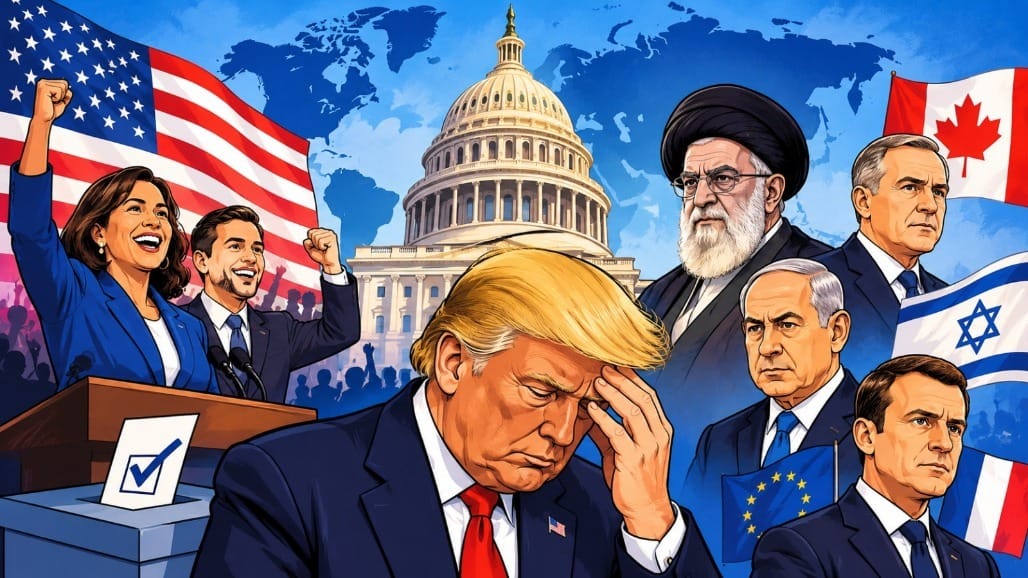
World leaders and foreign adversaries delivered a swift and sharp assessment of the Democratic Party’s sweeping victory in Wednesday’s US midterm elections, framing the Republican defeat as a direct global repudiation of President Donald Trump’s aggressive trade tariffs and military campaign in West Asia.
From Tehran to Ottawa, foreign capitals responded to the shift in Washington’s balance of power, with opponents celebrating a check on executive power and allies preparing to negotiate with a newly empowered Democratic-led Congress.
The international commentary highlights deteriorating personal and bilateral relationships between Trump and key foreign heads of state, following months of trade friction, unilateral sanctions, and military intervention.
Iran Frames Victory as Rejection of Military Action
Iranian officials immediately seized on the electoral collapse of Trump’s allies to claim victory over Washington’s foreign policy posture.
Mohammad Bagher Ghalibaf, Speaker of the Iranian Parliament, reacted to the results by arguing that American voters revolted against the economic and human costs of the ongoing regional conflict.
“Whether out of conscience or the cost of living, Americans said NO TO WAR, and we endorse this message,” Ghalibaf stated on social media. “If the US government betrays their public will to serve international paymasters and blackmailers, it will learn our NO comes with a Nightmare.”
Relations between Trump and Tehran reached historic lows prior to the vote, following direct military strikes and punishing oil sanctions. Iranian leadership has consistently denounced Trump’s unilateral actions, making the midterm wipeout a central piece of state messaging.
Canada’s Carney Signals Shift in Tariff Battles
In Ottawa, where trade tensions have escalated over White House tariff threats and border disputes, Canadian Prime Minister Mark Carney indicated that the political shift in Washington is already changing executive leverage.
Speaking on ongoing cross-border trade negotiations, Carney pointed out that US officials had begun softening their stance as the polling date approached. “They are asking less and offering more,” Carney noted, affirming Ottawa’s strategy to resist White House demands.
Pushed on Trump’s repeated broadsides against Canadian economic policies, Carney delivered a firm boundary: “Canada will never be the 51st state. We are going our own way.”
Trump’s relationship with Canadian leadership has been defined by hostility, with the US President repeatedly accusing Ottawa of trade manipulation. Canadian officials privately expect a Democratic-controlled Congress to constrain Trump’s ability to impose arbitrary tariffs on North American supply chains.
Israeli Opposition Weaponises Defeat Against Netanyahu
In Israel, the Democratic sweep triggered immediate political fallout, with opposition leaders using Trump’s electoral defeat to attack Prime Minister Benjamin Netanyahu’s foreign strategy.
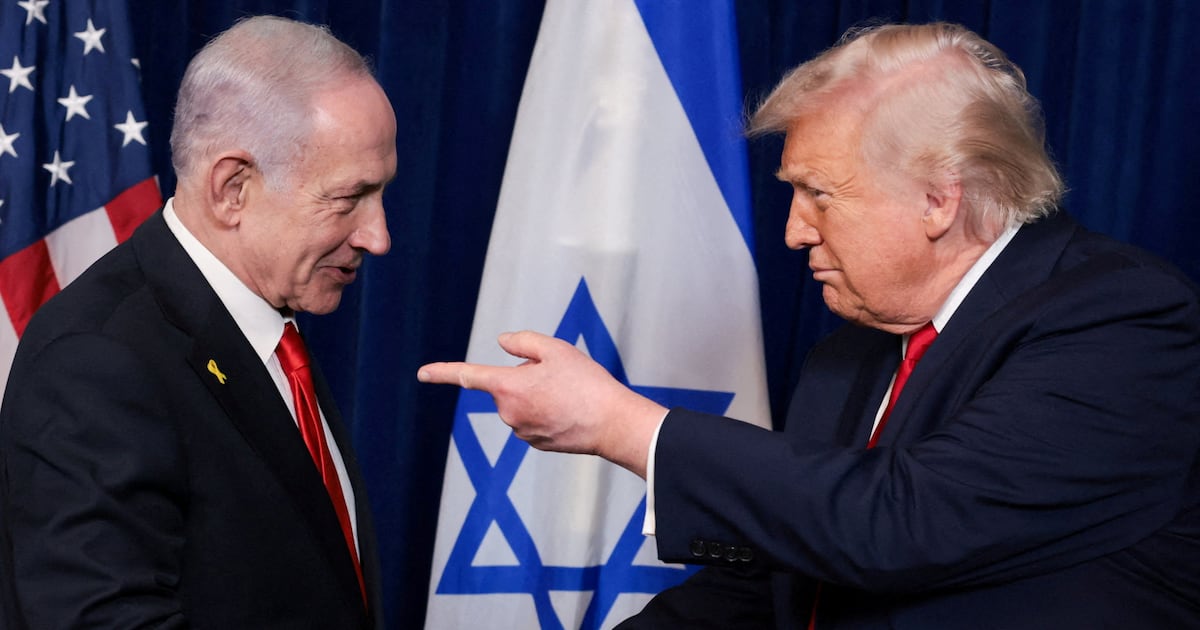
Yair Golan, leader of the Israeli Democrats, argued that the election proved Netanyahu’s policy of tying Israel’s diplomatic security exclusively to Trump was a failure.
“Netanyahu lost the elections. He is dangerous to Israel,” Golan stated, asserting that the midterm result demonstrates how “toxic Netanyahu is among both Democrats and Republicans.” Golan warned that continuing on the current course risks leaving Israel “isolated, boycotted, and in a direct clash with the US, our most important ally.”
Knesset member Gilad Kariv echoed the critique, stating that Netanyahu “destroyed relations with the Democratic Party and half of the Republican Party,” calling for an immediate leadership change.
While Netanyahu maintained a close personal alignment with Trump to support military operations in West Asia, the shift in Capitol Hill control leaves his government facing legislative scrutiny over US military aid and diplomatic backed initiatives.
Europe Welcomes Pushback Against Populist Trade Policies
Across European capitals, political figures viewed the Democratic takeover as a direct check on Trump’s right-wing populist agenda and unilateral trade penalties.
Spanish Prime Minister Pedro Sánchez stated that the global far-right movement championed by Trump is “no longer growing: it is crumbling,” noting that US voters rejected policies that “impoverish ordinary people.” French Economy Minister Roland Lescure described the Democratic victories as “undeniable,” pointing out that Trump now faces a severely “weakened position on domestic and international policy”.